Sensaciones corporales: por qué los latidos acelerados del corazón no son peligrosos
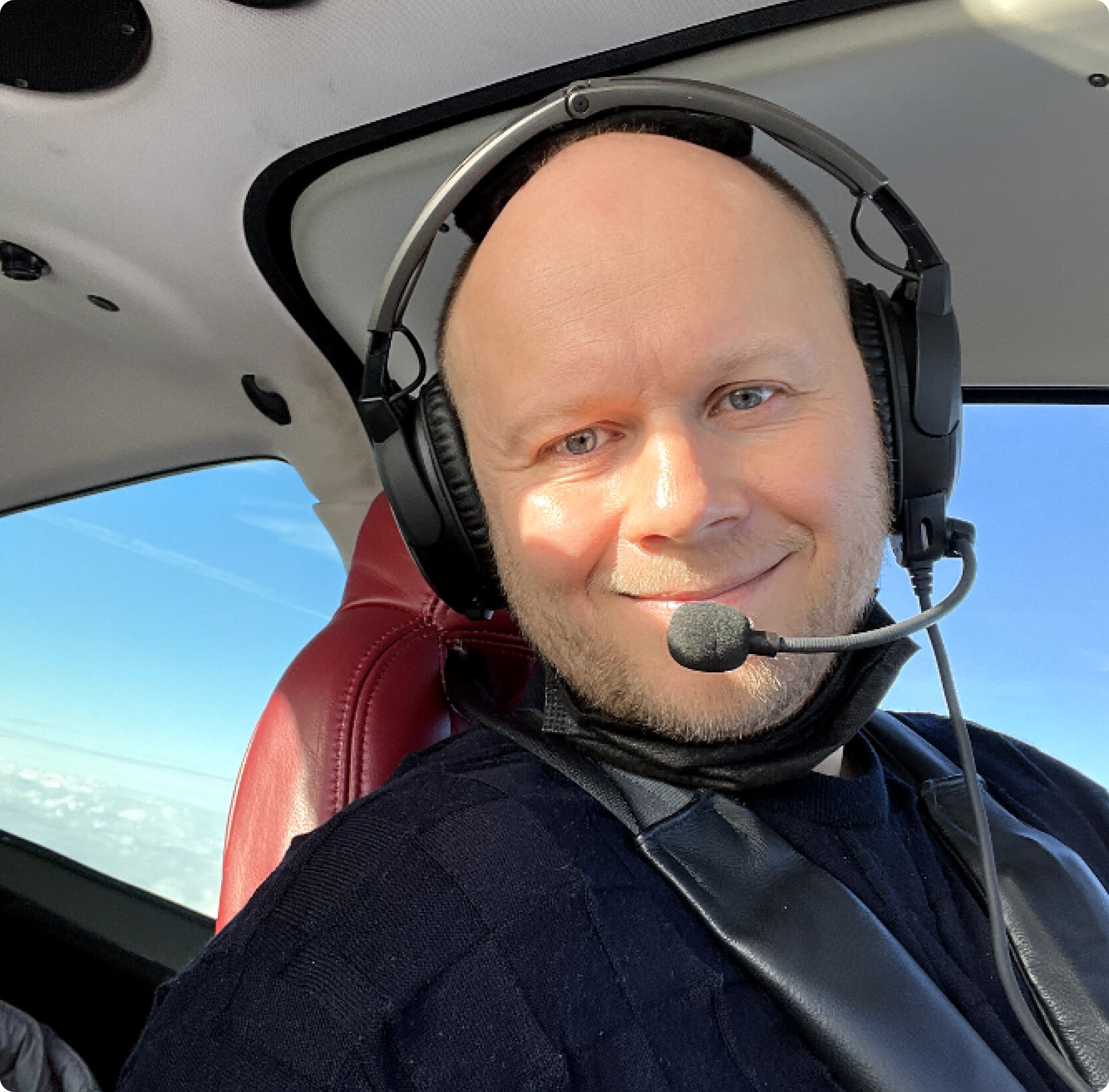
Escrito por Alex Gervash, piloto comercial (31 años) y especialista en fobia a volar (18 años, más de 16 000 casos tratados)
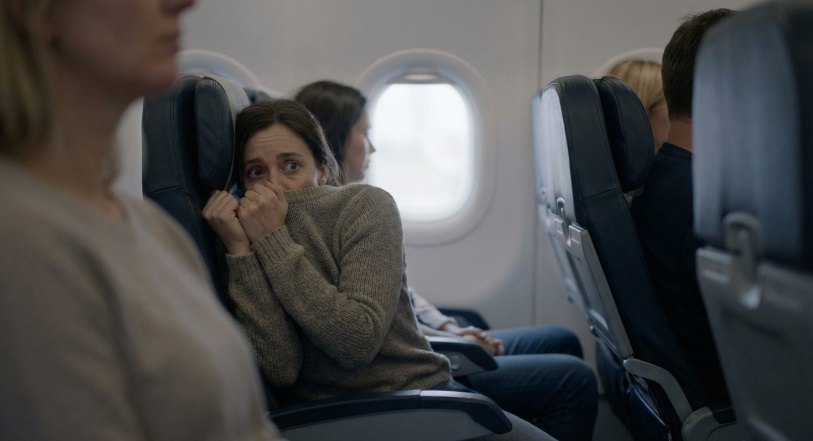
Interpretas las palpitaciones como un signo de un colapso inminente. No son síntomas de que te estés muriendo, sino de que tu cuerpo se está preparando para sobrevivir.
«Me va a dar un infarto». «Mi cuerpo no puede soportarlo». «Voy a dejar de respirar». Estos son los pensamientos que surgen cuando aparecen los síntomas físicos del miedo. Interpretas las palpitaciones como una señal de un colapso físico inminente.
Analicemos la fisiología. El miedo libera adrenalina. Esto es como un combustible. Su función es ayudarte a correr más rápido o a luchar con más fuerza. Aumenta tu frecuencia cardíaca para bombear oxígeno a los músculos. Te hace sudar para enfriar el cuerpo durante el esfuerzo. Te hace respirar más rápido para obtener más aire. Estos no son síntomas de que te estés muriendo. Son síntomas de un cuerpo que se prepara para sobrevivir.
Piensa en una montaña rusa. La gente grita. Les late con fuerza el corazón. Están aterrorizados. ¿Acaso alguien muere de un infarto por la emoción? No. Piensa en una sesión de entrenamiento en el gimnasio. Tu frecuencia cardíaca sube a 150 o 160. ¿Te entra el pánico? No. Sabes que es ejercicio. En el avión, tu cuerpo está haciendo exactamente lo mismo, pero lo interpretas como un peligro porque estás sentado sin moverte.
Este error suele tener su origen en experiencias de la infancia en las que te dejaban solo con tu miedo. Si nunca te consolaban, el pánico te hacía sentir que tu vida corría peligro. Sentías como si tu pequeño cuerpo fuera a romperse. Pero ahora eres adulto. Tu cuerpo es fuerte. Desde el punto de vista químico, una emoción solo dura unos 90 segundos si no la alimentas con pensamientos aterradores. Si dejas de alimentarte con la idea de que «te estás muriendo», la oleada física pasará. Es incómodo, pero no es peligroso.
En resumen
Interpretas las palpitaciones como un signo de un colapso inminente. No son síntomas de que te estés muriendo, sino de que tu cuerpo se está preparando para sobrevivir.
Piloto comercial (31 años de experiencia en aviación)
Formado en psicología y terapia del trauma (EMDR, Somatic Experiencing)
Fundador de phobia.aero y de la aplicación SkyGuru
Aprovechando sus 31 años de experiencia como piloto comercial y sus profundos conocimientos en psicología y terapia del trauma, Alex Gervash ofrece un enfoque único para el tratamiento del miedo a volar en phobia.aero. Ha guiado a más de 16 000 personas a través de las complejidades del sistema nervioso autónomo y la «experiencia somática» para ayudar a todos los pasajeros nerviosos a comprender por qué las sensaciones físicas, como las palpitaciones, no son señales de peligro. Como creador de la aplicación SkyGuru —un compañero de vuelo digital al servicio de más de 200 000 usuarios—, Alex se especializa en desmitificar la aviofobia asegurándose de que la explicación de las turbulencias a través de datos técnicos alivie los desencadenantes biológicos del pánico. Su trabajo tiende un puente entre la cabina de pilotaje y el conocimiento clínico, ofreciendo un camino integral hacia la liberación de la ansiedad relacionada con los vuelos.
Especialista en: miedo a volar, tratamiento de la aerofobia, especialista en ansiedad ante los vuelos, terapia para el miedo a las turbulencias, ataques de pánico en aviones, aviofobia, fobia a volar, apoyo a pasajeros nerviosos, ansiedad ante el despegue, miedo al aterrizaje, tratamiento de la fobia a los aviones. Tratamiento basado en la evidencia mediante la experiencia somática, la terapia EMDR, la regulación polivagal, la regulación del sistema nervioso autónomo y la atención informada sobre el trauma.