Una criatura terrestre en el cielo
El ser humano es un ser terrestre. Durante millones de años nos hemos movido únicamente en dos dimensiones.
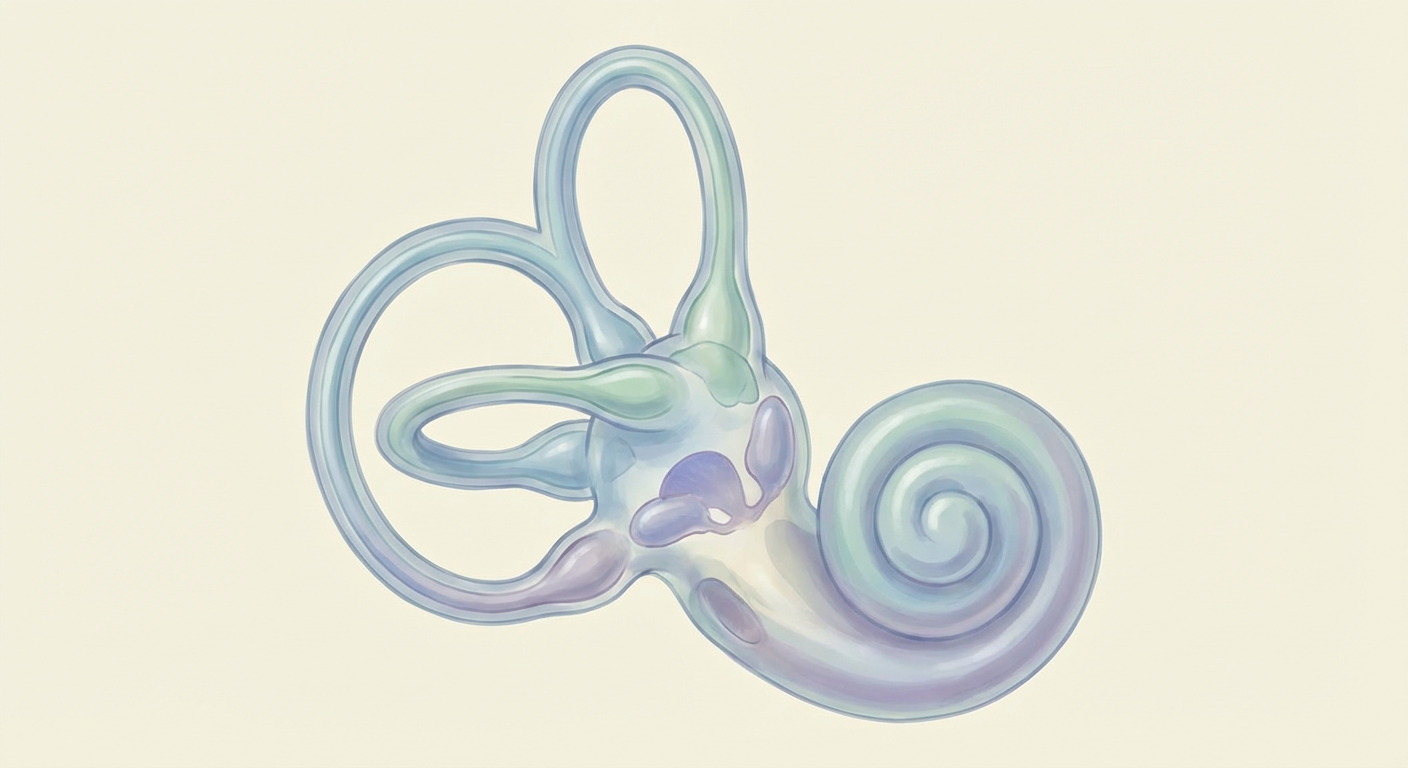
Nuestro sistema vestibular solo tiene tres canales y es capaz de registrar adecuadamente la posición del cuerpo en el espacio en tres planos geométricos: la inclinación lateral, la inclinación hacia delante y hacia atrás, y la rotación hacia la izquierda y hacia la derecha.
Volar es algo nuevo para nuestro cuerpo
Sin embargo, en un vuelo hay seis planos geométricos. El desplazamiento en altura surgió en los albores de la aviación, hace apenas 120 años. Volar es un fenómeno totalmente nuevo para el ser humano.
No es de extrañar que nuestro sistema vestibular no pueda procesar eso. No sabe lo que significan la aceleración angular, la velocidad vertical y el movimiento en tres dimensiones y en seis planos. Por eso el sistema vestibular interpreta erróneamente muchos procesos normales.
La ilusión de la «caída»
He aquí un ejemplo: hasta alcanzar los 1500 pies de altura, el avión asciende de forma activa. A partir de ahí, los pilotos reducen la potencia y la velocidad de ascenso disminuye.
¡En este momento da la sensación de que el avión se va a estrellar!
Si confiamos en la vida, nos mantenemos relativamente tranquilos. Pero si no es así, esa «caída» es un desencadenante que activa el sistema del miedo, hasta provocar un ataque de pánico. Nos parece que nos estamos cayendo y que tenemos que hacer algo inmediatamente: agarrarnos con fuerza a los reposabrazos o salir corriendo para sobrevivir. Y como huir es imposible, el pánico se intensifica.
Los datos cuentan una historia diferente
Al mismo tiempo, los datos del radar de vuelo no indican ninguna caída. Seguimos volando igual que antes. Nuestro sistema vestibular simplemente se ha equivocado. Antes subíamos un poco más rápido; ahora subimos un poco más despacio.
La velocidad vertical ha cambiado, y nuestro sistema vestibular no es capaz de seguirla correctamente. Durante el vuelo se producen un total de seis errores de este tipo en el sistema vestibular, que analizamos en los cursos.
Hombre prevenido vale por dos. Este conocimiento contribuye a superar el miedo a volar, aunque la base es, por supuesto, el trabajo con la psique, no con la ignorancia.