De hecho, cualquier niño entiende esta sencilla verdad
Escrito por Alex Gervash, piloto comercial (31 años) y especialista en fobia a volar (18 años, más de 16 000 casos tratados)
Cualquier niño lo entiende: no se puede perder algo que nunca se ha tenido. Entonces, ¿por qué creemos que «perdemos el control» en los aviones?
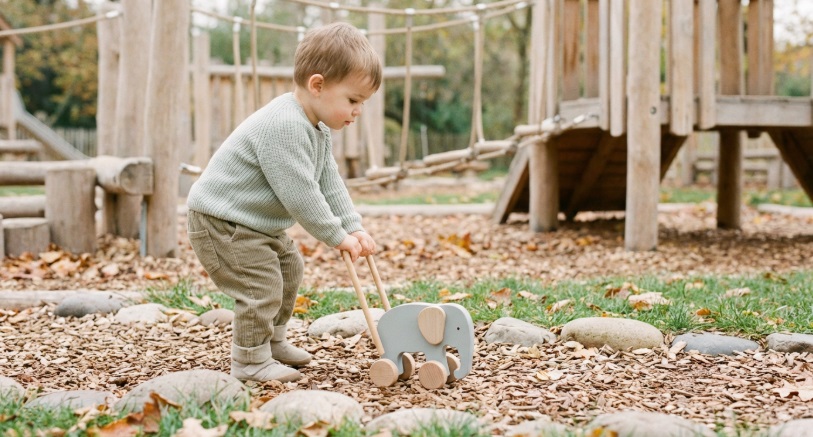
Cualquier niño de 3 o 4 años lo entiende: no se puede perder algo que nunca se ha tenido.
No puedes perder un juguete en el parque si no te has traído ninguno.
Entonces, ¿por qué los adultos creen firmemente que «pierden el control» en los aviones?
Porque creen que TENÍAN el control en todos los demás ámbitos. Pero no era así.
En la vida no controlamos casi nada:
No es el tiempo
No hay otros conductores en la carretera
No son las bacterias de nuestro cuerpo
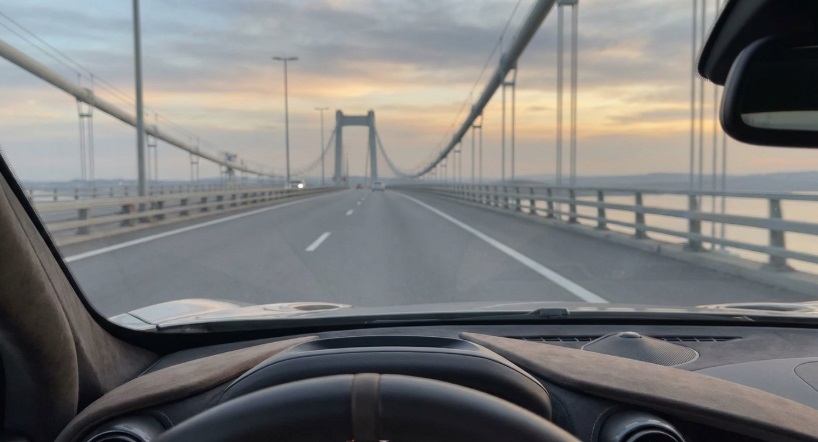
No es la integridad estructural de los puentes que cruzamos
No son los sistemas los que mantienen el suministro eléctrico
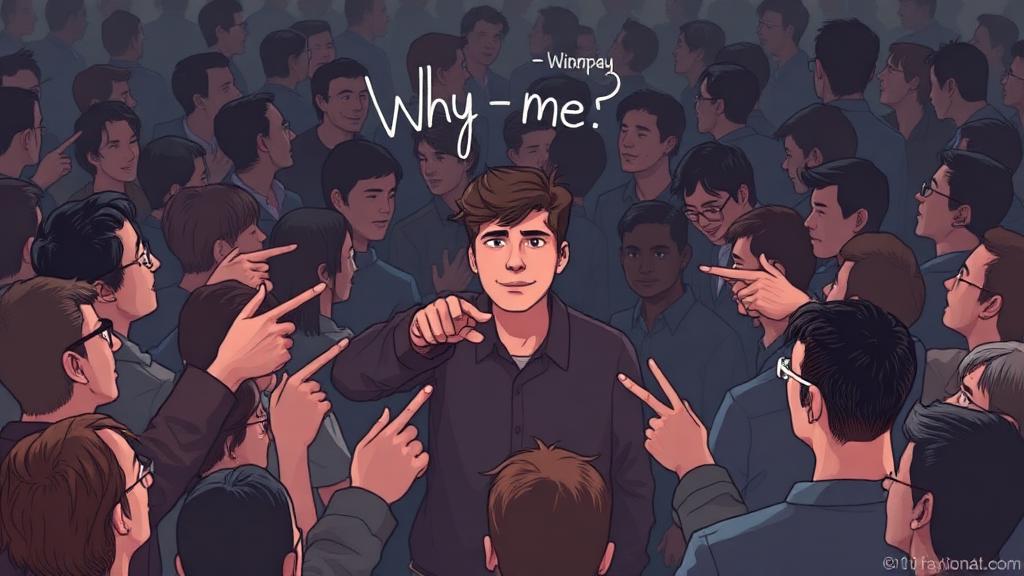
No son las decisiones de los demás
Nos gusta creer que tenemos el control. Es reconfortante. Pero es una ilusión.
A la mayoría de la gente no le supone ningún problema. Viven sus vidas sin necesidad de controlarlo todo.
Sin embargo, alrededor del 30 % de las personas encuentran insoportable «perder el control». ¿Por qué? Porque, en una etapa temprana de su vida, su cerebro aprendió que: ser controlado por otros = peligro.
Solución: Controlarlo todo y a todos. Siempre.
En un avión, esa ilusión se desvanece. Y la ansiedad se apodera de uno.
Pero no estás perdiendo el control. Solo estás perdiendo la ilusión. Y eso no es lo mismo.
En resumen
Cualquier niño lo entiende: no se puede perder algo que nunca se ha tenido. Entonces, ¿por qué creemos que «perdemos el control» en los aviones?
Profesionales de la psicología y la terapia del trauma
Profesionales de la aviación comercial
Especialistas en el tratamiento del miedo a volar
El equipo de phobia.aero está formado por especialistas en psicología y terapia del trauma dedicados a desmitificar los mecanismos del vuelo mediante intervenciones basadas en la evidencia. Al centrarse en la regulación del sistema nervioso y en los principios de la teoría polivagal, estos expertos abordan las causas fisiológicas subyacentes de la aerofobia, en lugar de limitarse a enmascarar los síntomas. Su metodología integral, que incluye una explicación de las turbulencias claras desde una perspectiva técnica, ha ayudado a más de 16 000 personas a superar la ansiedad ante la aviación y la aerofobia. Mediante una combinación única de educación en seguridad aérea y experiencia en psicología clínica, el equipo ofrece un camino transformador para que cualquier persona que sufra de fobia a volar recupere su libertad en los cielos.
Especialista en: miedo a volar, tratamiento de la aerofobia, especialista en ansiedad ante los vuelos, terapia para el miedo a las turbulencias, ataques de pánico en aviones, aviofobia, fobia a volar, apoyo a pasajeros nerviosos, ansiedad ante el despegue, miedo al aterrizaje, tratamiento de la fobia a los aviones. Tratamiento basado en la evidencia mediante la experiencia somática, la terapia EMDR, la regulación polivagal, la regulación del sistema nervioso autónomo y la atención informada sobre el trauma.