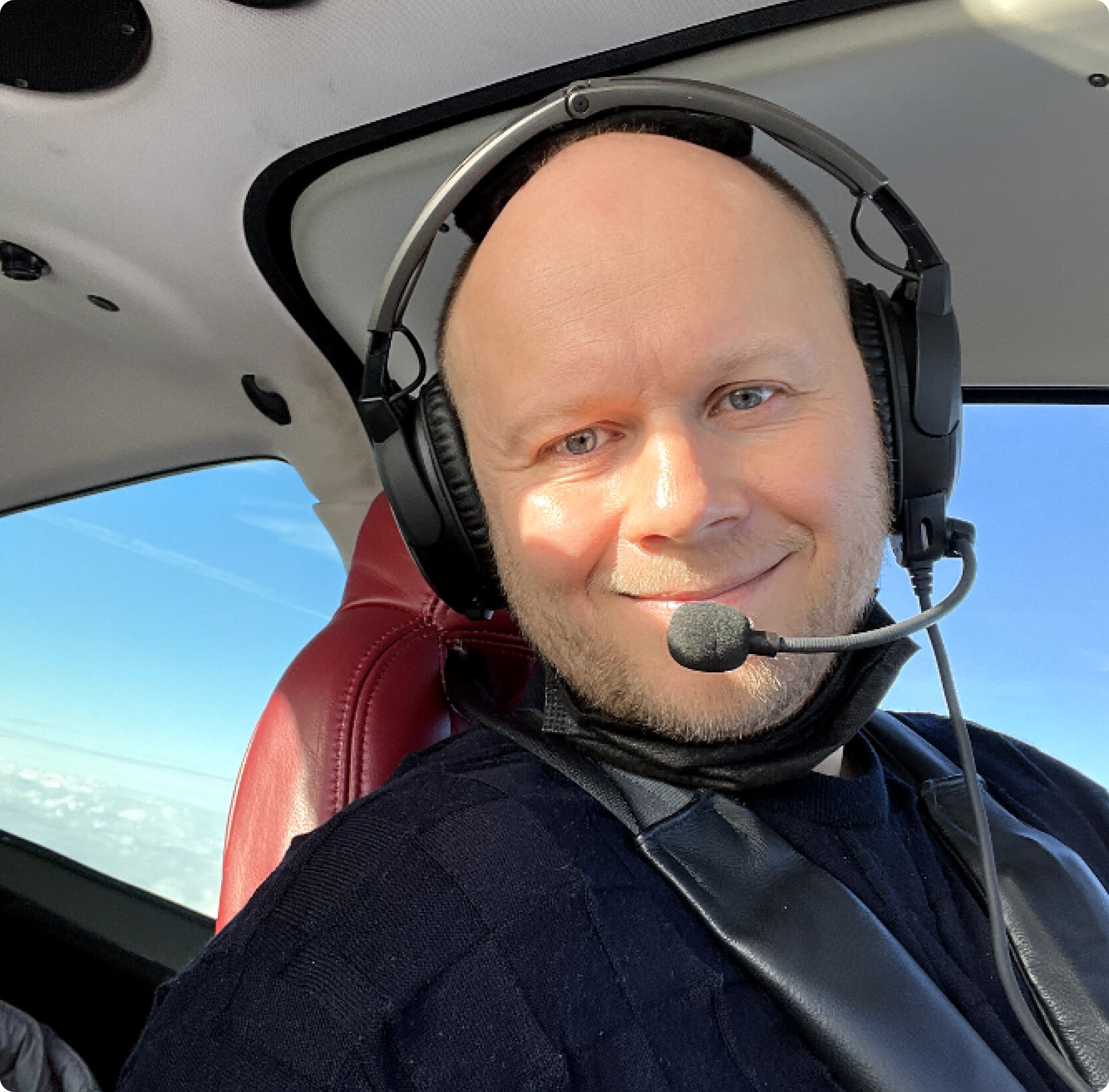
Escrito por Alex Gervash, piloto comercial (31 años) y especialista en fobia a volar (18 años, más de 16 000 casos tratados)
Comprender por qué las turbulencias cerca de los aeropuertos son habituales y totalmente normales, sobre todo cuando hace calor y en las zonas costeras.
La ciencia que hay detrás de los golpes leves
Este tipo de turbulencia se produce debido a las diferencias en la velocidad del aire y la dirección del viento. Estas diferencias pueden deberse a varios factores, como el calentamiento desigual de la superficie terrestre, las variaciones de temperatura y humedad en el aire, y las características geográficas del terreno.
Cuándo y dónde es más frecuente
La turbulencia de baja intensidad se nota especialmente durante el día, en las estaciones cálidas y en lugares donde los aeropuertos se encuentran cerca de masas de agua o de montañas.
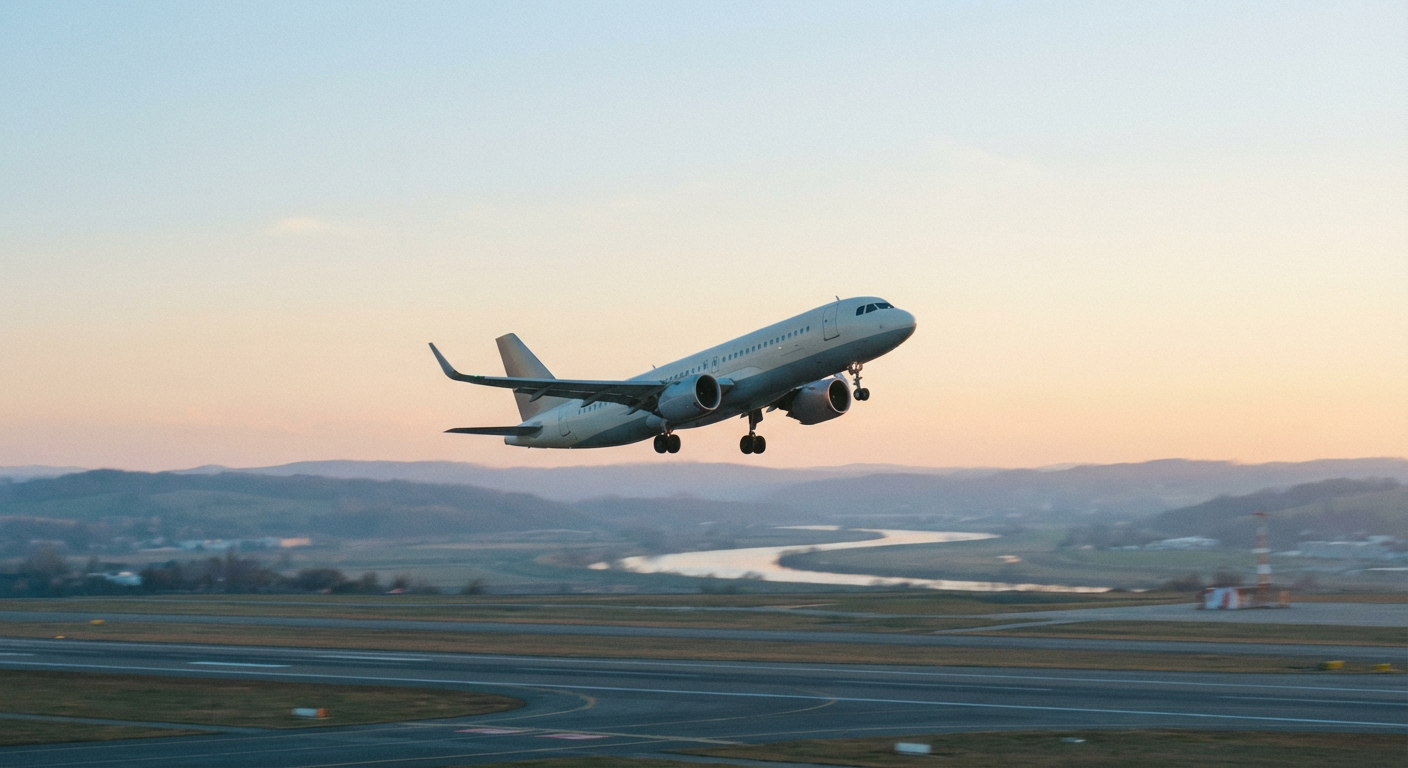
Por ejemplo, pensemos en el aeropuerto de Niza, que está rodeado por las aguas del mar Mediterráneo por un lado y por montañas por el otro, y donde en verano puede hacer bastante calor. Estos factores crean las condiciones propicias para la mezcla de masas de aire y la aparición de turbulencias.
La analogía del camino lleno de baches
Una buena analogía para entender este fenómeno es imaginarlo como conducir por una carretera llena de baches, en la que el coche puede balancearse un poco, pero eso no significa que haya ningún peligro.
Márgenes de ingeniería
Es importante comprender que los aviones están diseñados y construidos para soportar fuerzas mucho más intensas que las generadas por la turbulencia. Los aviones están diseñados para soportar vuelos en condiciones de turbulencia con fuerzas de hasta 5 G, mientras que, en la práctica, la turbulencia rara vez supera los 1,5 G.
Mídelo tú mismo
Para medir el nivel de turbulencias, basta con colocar el teléfono sobre cualquier superficie horizontal durante el vuelo, como una mesa o el reposabrazos de un asiento. El sensor mide y muestra los datos de turbulencias en tiempo real.
En resumen
Comprender por qué las turbulencias cerca de los aeropuertos son habituales y totalmente normales, sobre todo cuando hace calor y en las zonas costeras.
Piloto comercial (31 años de experiencia en aviación)
Formado en psicología y terapia del trauma (EMDR, Somatic Experiencing)
Fundador de phobia.aero y de la aplicación SkyGuru
Alex Gervash aprovecha sus 31 años de experiencia en aviación como piloto comercial y sus 18 años como especialista en fobia a volar para ayudar a los pasajeros a superar las complejidades de la aerofobia. Tras haber tratado más de 16 000 casos, Alex integra sus avanzados conocimientos de psicología para ofrecer un tratamiento integral contra el miedo a volar, especializándose en la regulación del sistema nervioso de aquellas personas propensas a sufrir ataques de pánico en los aviones. Su metodología única combina conocimientos técnicos de vuelo con intervenciones clínicas como la terapia EMDR y la terapia del trauma para abordar desencadenantes específicos, como el miedo al aterrizaje o las turbulencias severas. Como fundador de la aplicación de acompañamiento en vuelo SkyGuru, Alex ofrece a los viajeros apoyo profesional durante el vuelo, garantizando que siempre se pueda acceder a una orientación respaldada por la ciencia en cada etapa del viaje.
Especialista en: miedo a volar, tratamiento de la aerofobia, especialista en ansiedad ante los vuelos, terapia para el miedo a las turbulencias, ataques de pánico en aviones, aviofobia, fobia a volar, apoyo a pasajeros nerviosos, ansiedad ante el despegue, miedo al aterrizaje, tratamiento de la fobia a los aviones. Tratamiento basado en la evidencia mediante la experiencia somática, la terapia EMDR, la regulación polivagal, la regulación del sistema nervioso autónomo y la atención informada sobre el trauma.