Física para los que le tienen miedo: El aire gelatinoso
Escrito por Alex Gervash, piloto comercial (31 años) y especialista en fobia a volar (18 años, más de 16 000 casos tratados)
Por qué el aire a velocidad de crucero se comporta como una gelatina espesa: una poderosa imagen para contrarrestar la ilusión de «flotar en el vacío».
Visualización del soporte
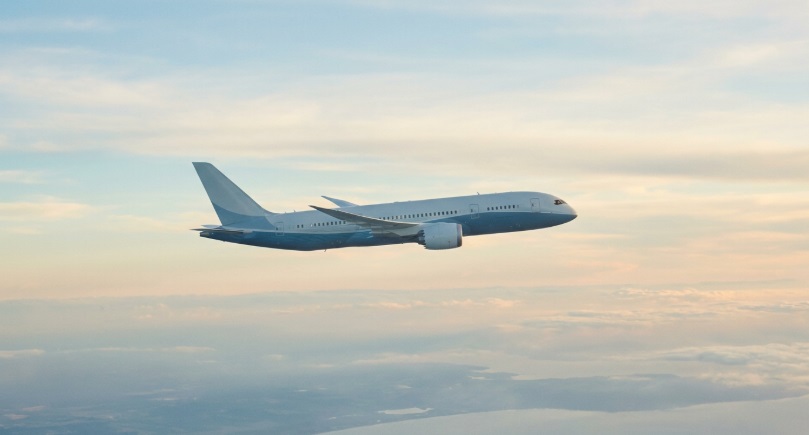
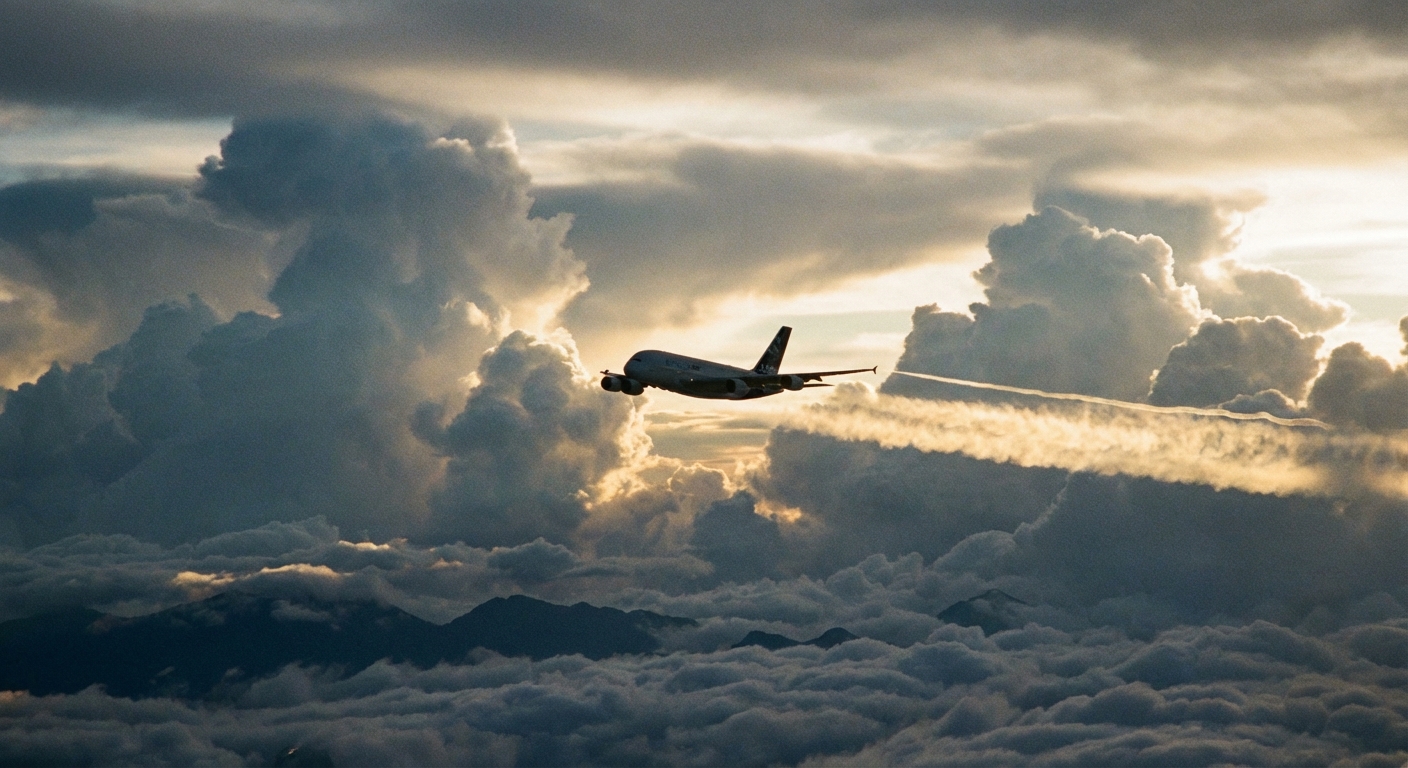
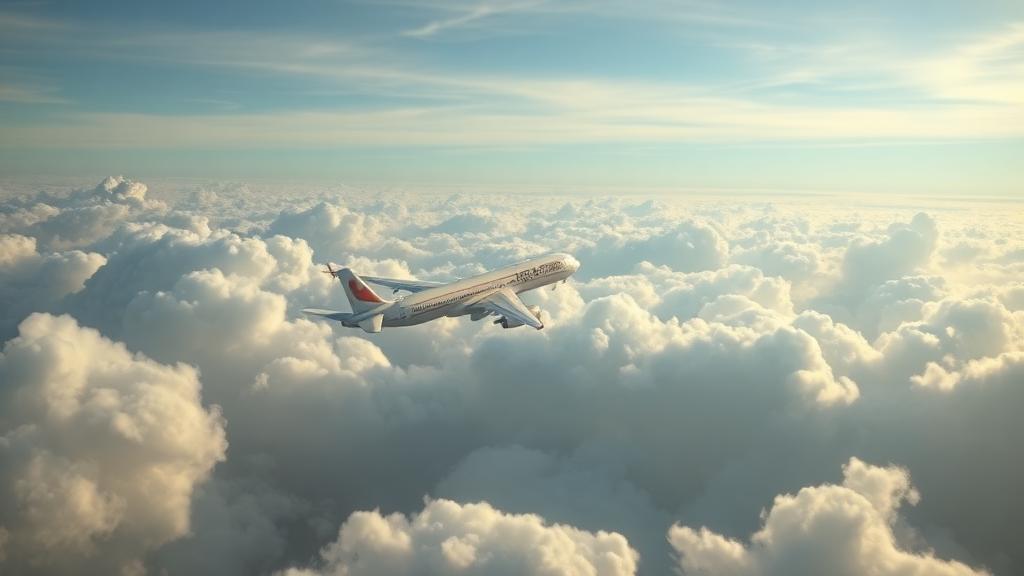
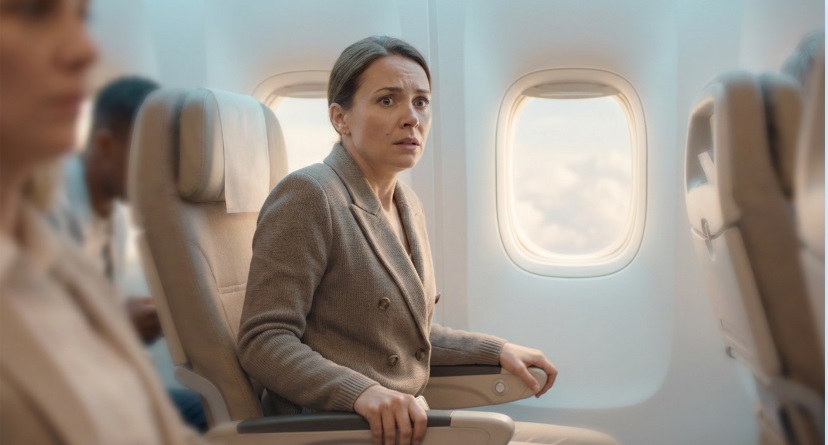
Cuando miras por la ventana, ves un espacio vacío. Tu cerebro te dice: «Estamos suspendidos en el vacío. Si el motor se para, caemos». Esto es una ilusión.
A 800 km/h, el aire no es un gas enrarecido. Es una gelatina espesa.
Imagina sacar la mano por la ventanilla de un coche a 100 km/h. Notas la presión. Ahora multiplica esa fuerza por 16 (ya que la sustentación aumenta con el cuadrado de la velocidad).
El avión descansa sobre un enorme colchón de aire comprimido a alta presión. Es como una mosca atrapada en un bote de leche condensada. Puedes agitar el bote (turbulencias), pero la mosca no se estrella contra el fondo.
Es el aire mismo el que sostiene el avión. No puede simplemente «caer» del cielo, del mismo modo que un barco no puede caer a través del agua.
En resumen
Por qué el aire a velocidad de crucero se comporta como una gelatina espesa: una poderosa imagen para contrarrestar la ilusión de «flotar en el vacío».
Piloto comercial (31 años de experiencia en aviación)
Formado en psicología y terapia del trauma (EMDR, Somatic Experiencing)
Fundador de phobia.aero y de la aplicación SkyGuru
Alex Gervash es un especialista pionero en psicología y terapia del trauma que aprovecha sus 31 años de experiencia como piloto comercial para resolver casos complejos de ansiedad relacionada con la aviación. Con un historial de más de 16 000 personas ayudadas, Alex integra técnicas de terapia EMDR en sus métodos para abordar las causas fundamentales de los ataques de pánico en los aviones. Como creador de la aplicación móvil SkyGuru, ofrece apoyo en tiempo real a los pasajeros nerviosos que sufren ansiedad durante el despegue o turbulencias en pleno vuelo. Su perspectiva dual única, como piloto y profesional de la psicología, lo convierte en una autoridad mundial en la terapia de la aerofobia, ofreciendo soluciones prácticas para cualquiera que luche contra una fobia persistente a los aviones o una fobia general a volar.
Especialista en: miedo a volar, tratamiento de la aerofobia, especialista en ansiedad ante los vuelos, terapia para el miedo a las turbulencias, ataques de pánico en aviones, aviofobia, fobia a volar, apoyo a pasajeros nerviosos, ansiedad ante el despegue, miedo al aterrizaje, tratamiento de la fobia a los aviones. Tratamiento basado en la evidencia mediante la experiencia somática, la terapia EMDR, la regulación polivagal, la regulación del sistema nervioso autónomo y la atención informada sobre el trauma.