Escrito por Alex Gervash, piloto comercial (31 años) y especialista en fobia a volar (18 años, más de 16 000 casos tratados)
Las turbulencias dan miedo, pero esto es lo que ocurre en realidad. Imagínatelo como un pez en medio de una tormenta: el pez se mueve CON el agua, no contra ella.
Las turbulencias dan miedo, pero esto es lo que ocurre en realidad:
El aire tiene diferentes temperaturas. El aire caliente asciende más rápido que el aire frío. Cuando el avión atraviesa estas diferencias de temperatura a gran velocidad, se notan sacudidas. Eso es todo. Eso es la turbulencia.
Piénsalo de esta manera: un pez que nada en el océano se mantiene a salvo incluso durante una tormenta. ¿Por qué? Porque el pez se mueve CON el agua, no contra ella. El pez está dentro de la corriente y fluye con ella.
Tu avión hace lo mismo. Se mueve con la corriente de aire, dentro de ella, sin oponer resistencia. Por muy fuerte que parezca la turbulencia, el avión permanece sano y salvo.
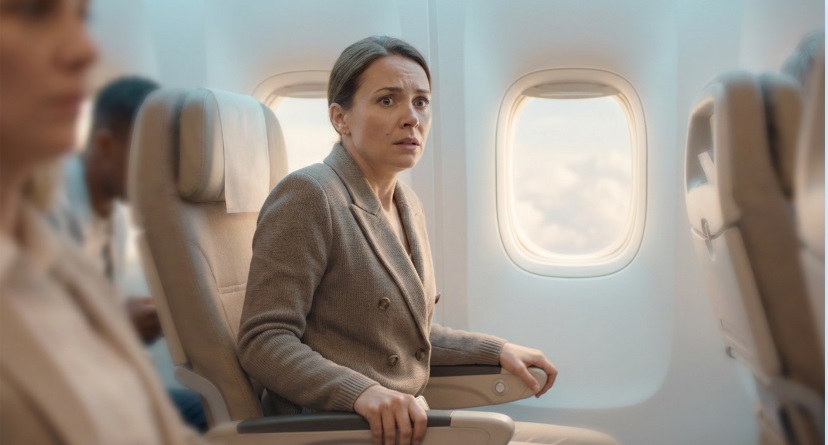
Las sacudidas que sientes no se deben a que el avión tenga dificultades. Simplemente se trata de tu cuerpo, que experimenta un movimiento rápido al atravesar aire a diferentes temperaturas.
¿Seguro? Sí. ¿Cómodo? A veces no. Pero hay una gran diferencia entre lo incómodo y lo peligroso.
En resumen
Las turbulencias dan miedo, pero esto es lo que ocurre en realidad. Imagínatelo como un pez en medio de una tormenta: el pez se mueve CON el agua, no contra ella.
Profesionales de la psicología y la terapia del trauma
Profesionales de la aviación comercial
Especialistas en el tratamiento del miedo a volar
El equipo de especialistas de phobia.aero aúna una combinación sin igual de 31 años de experiencia en aviación comercial y 18 años de especialización en terapia del trauma para ayudar a las personas a superar el miedo a volar. Al combinar la perspectiva de un piloto profesional con técnicas basadas en la evidencia, como el EMDR y la Experiencia Somática, han ayudado con éxito a más de 16 000 clientes a superar la aerofobia y la ansiedad ante el despegue. Ya sea para tratar una fobia a volar profundamente arraigada o para proporcionar estrategias que aumenten la comodidad durante el vuelo, su enfoque multidisciplinar ofrece las herramientas que todo pasajero nervioso necesita para volver a disfrutar de los cielos. Esta combinación única de formación en psicología clínica y dominio técnico garantiza un apoyo sin igual durante el vuelo para aquellos que estén listos para viajar con confianza.
Especialista en: miedo a volar, tratamiento de la aerofobia, especialista en ansiedad ante los vuelos, terapia para el miedo a las turbulencias, ataques de pánico en aviones, aviofobia, fobia a volar, apoyo a pasajeros nerviosos, ansiedad ante el despegue, miedo al aterrizaje, tratamiento de la fobia a los aviones. Tratamiento basado en la evidencia mediante la experiencia somática, la terapia EMDR, la regulación polivagal, la regulación del sistema nervioso autónomo y la atención informada sobre el trauma.