La verdad sobre los rostros de los auxiliares de vuelo
Escrito por Alex Gervash, piloto comercial (31 años) y especialista en fobia a volar (18 años, más de 16 000 casos tratados)
¿Te fijas en las caras de los auxiliares de vuelo en busca de señales de peligro? Te explicamos por qué esa estrategia resulta contraproducente.
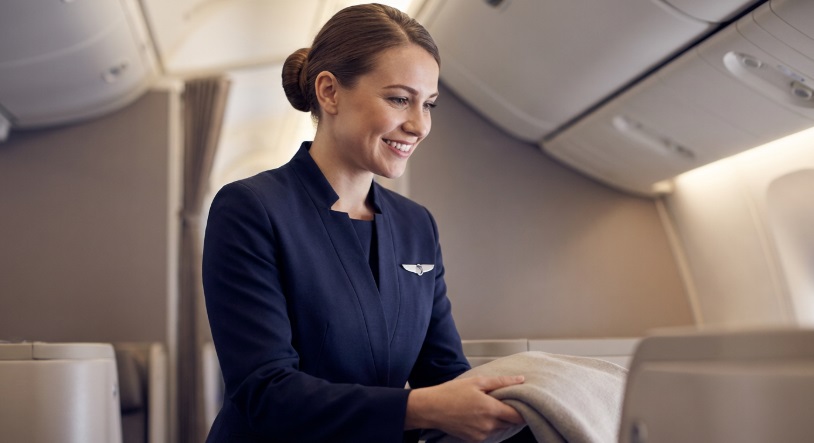
¿Estás todo el rato fijándote en los auxiliares de vuelo, tratando de detectar en sus rostros cualquier señal de peligro?
«Si parecen tranquilos, estoy a salvo. Si parecen preocupados, algo va mal».
El problema es el siguiente: los auxiliares de vuelo son personas con sus propias vidas, problemas y emociones.
Quizá acaba de tener una discusión con su pareja. Quizá él está preocupado por su padre, que está enfermo. Quizá ella está agotada después de haber trabajado en tres vuelos seguidos. Quizá él está lidiando con un pasajero grosero en la fila 12.
Nada de esto tiene nada que ver con la seguridad aérea.
Pero tu mente inquieta no sabe eso. Escudriña sus rostros en busca de indicios de peligro. Y si encuentra un ceño fruncido o una mirada preocupada (algo que los humanos mostramos por mil razones), llega a la conclusión: «¿Ves? ¡Incluso ellos están preocupados!».
¿La verdad? Los auxiliares de vuelo están capacitados para gestionar las emergencias con calma. Si hubiera un problema real, te enterarías gracias a una comunicación clara, no por las expresiones faciales.
Deja de tomar sus expresiones faciales como indicador de tu seguridad. Estás interpretando señales que no existen.
En resumen
¿Te fijas en las caras de los auxiliares de vuelo en busca de señales de peligro? Te explicamos por qué esa estrategia resulta contraproducente.
Profesionales de la psicología y la terapia del trauma
Profesionales de la aviación comercial
Especialistas en el tratamiento del miedo a volar
Alex aporta una perspectiva dual única a phobia.aero, combinando 31 años de profundo conocimiento de la cabina de mando con 18 años de experiencia especializada ayudando a más de 16 000 personas a superar la aerofobia. Con formación en psicología, Alex utiliza herramientas basadas en la evidencia, como EMDR, TCC y Experiencia Somática, para abordar las causas fundamentales de la fobia a volar y el miedo a las turbulencias. Al centrarse en la regulación del sistema nervioso, Alex proporciona a sus clientes las estrategias prácticas necesarias para gestionar los ataques de pánico en los aviones y encontrar un alivio duradero de la ansiedad ante el vuelo. Este enfoque integral de la terapia de la aerofobia garantiza que quienes luchan contra la fobia a los aviones puedan recuperar por fin su libertad para viajar sin un miedo persistente a volar.
Especialista en: miedo a volar, tratamiento de la aerofobia, especialista en ansiedad ante los vuelos, terapia para el miedo a las turbulencias, ataques de pánico en aviones, aviofobia, fobia a volar, apoyo a pasajeros nerviosos, ansiedad ante el despegue, miedo al aterrizaje, tratamiento de la fobia a los aviones. Tratamiento basado en la evidencia mediante la experiencia somática, la terapia EMDR, la regulación polivagal, la regulación del sistema nervioso autónomo y la atención informada sobre el trauma.