Cómo se relaciona el miedo a las turbulencias con el trauma en las primeras etapas del desarrollo
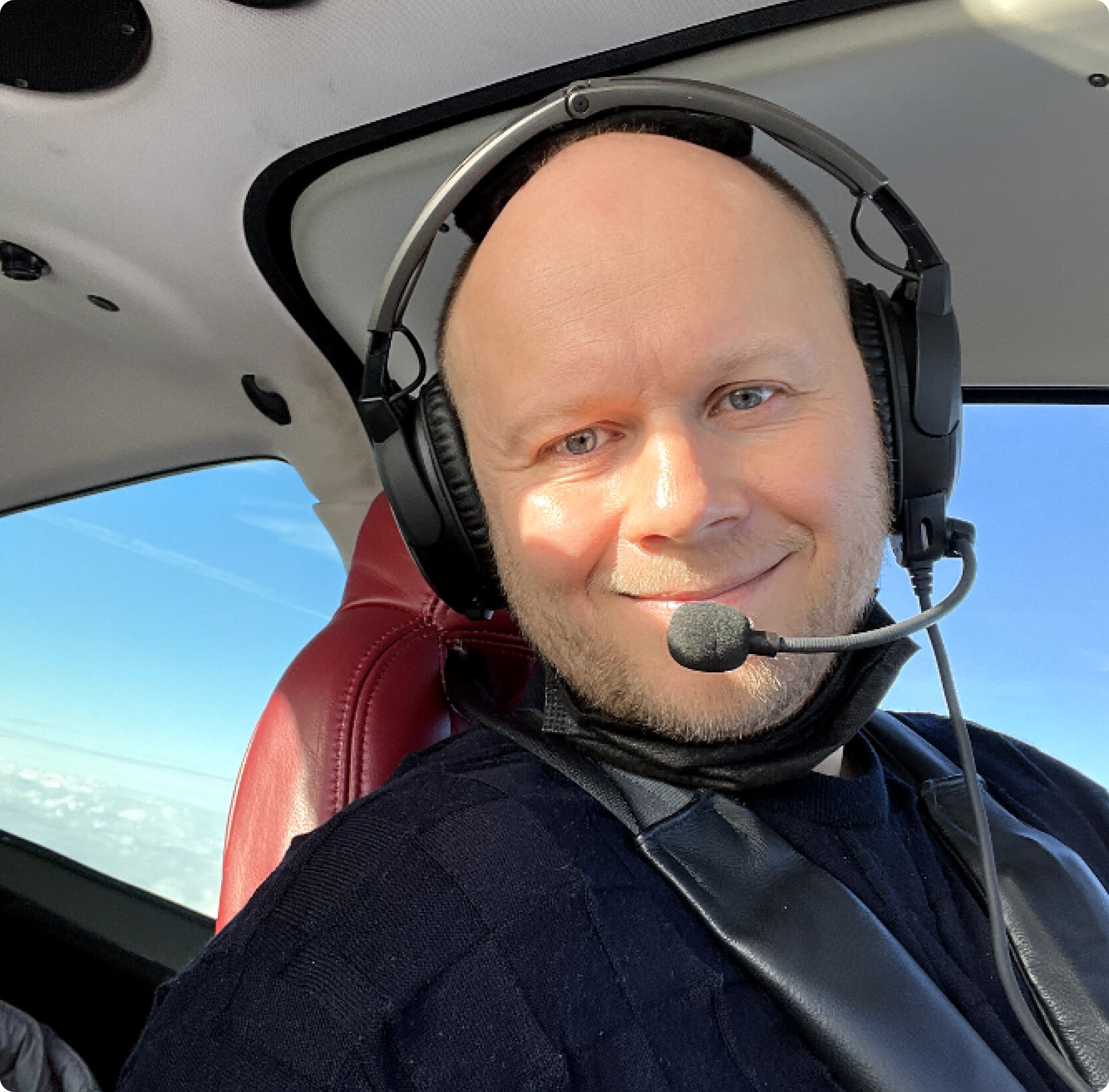
Escrito por Alex Gervash, piloto comercial (31 años) y especialista en fobia a volar (18 años, más de 16 000 casos tratados)
La amígdala funciona como un lector de códigos de barras: no sabe si un suceso es realmente peligroso, solo reconoce códigos vinculados a recuerdos de sucesos concretos.
La amígdala funciona como un lector de códigos de barras en un supermercado. Lee el código de una lata para determinar su contenido. Del mismo modo, la amígdala de nuestro cerebro no sabe si un suceso es realmente peligroso: solo reconoce los códigos vinculados a los recuerdos de sucesos concretos.
Por ejemplo, pensemos en un niño cuyo padre era alcohólico. Su comportamiento era impredecible: tranquilo y estable cuando estaba sobrio, pero irascible y violento cuando bebía. El niño vivía en una incertidumbre constante. Esa inestabilidad podía ser interpretada como «peligro» por un cerebro joven en desarrollo.
Avancemos hasta esta persona, que ahora tiene veintitantos años. De repente, durante un vuelo, empieza a haber turbulencias y el vuelo pasa de ser tranquilo a ser agitado, lo que refleja el cambio de un padre sobrio a uno ebrio. Las turbulencias se perciben como algo inestable y, de forma inconsciente, le recuerdan la peligrosa inestabilidad de su infancia.
En resumen
La amígdala funciona como un lector de códigos de barras: no sabe si un suceso es realmente peligroso, solo reconoce códigos vinculados a recuerdos de sucesos concretos.
Piloto comercial (31 años de experiencia en aviación)
Formado en psicología y terapia del trauma (EMDR, Somatic Experiencing)
Fundador de phobia.aero y de la aplicación SkyGuru
Alex Gervash es un destacado especialista en psicología y terapia del trauma que tiende un puente entre la ciencia aeronáutica y la salud mental. Con 31 años de experiencia en aviación, aporta una perspectiva única desde el punto de vista de un piloto que ayuda a las personas a lidiar con las complejidades de la terapia contra la aerofobia y el miedo a volar. Su metodología combina la Experiencia Somática y la teoría polivagal con la terapia EMDR para abordar las causas fundamentales de los ataques de pánico en los aviones, habiendo ayudado con éxito a más de 16 000 clientes a superar el miedo a volar. Ya sea actuando como acompañante de vuelo virtual o proporcionando apoyo experto a bordo, Alex ofrece un tratamiento transformador del miedo a volar para quienes se ven atrapados por una fobia persistente a volar. A través de su enfoque basado en la evidencia, empodera a los viajeros para que recuperen los cielos y dominen su miedo a volar de una vez por todas.
Especialista en: miedo a volar, tratamiento de la aerofobia, especialista en ansiedad ante los vuelos, terapia para el miedo a las turbulencias, ataques de pánico en aviones, aviofobia, fobia a volar, apoyo a pasajeros nerviosos, ansiedad ante el despegue, miedo al aterrizaje, tratamiento de la fobia a los aviones. Tratamiento basado en la evidencia mediante la experiencia somática, la terapia EMDR, la regulación polivagal, la regulación del sistema nervioso autónomo y la atención informada sobre el trauma.