El escáner de códigos de barras de tu cerebro: cómo funciona realmente el miedo
Escrito por Alex Gervash, piloto comercial (31 años) y especialista en fobia a volar (18 años, más de 16 000 casos tratados)
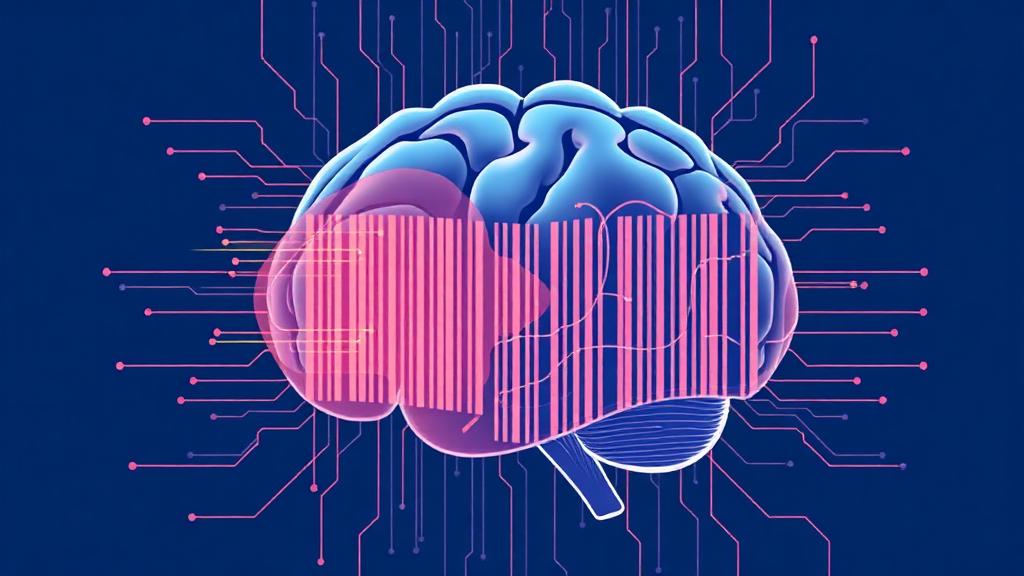
Imagina el escáner de códigos de barras de un supermercado. Tu amígdala funciona igual: busca patrones de peligro en tu pasado.
Imagina el escáner de códigos de barras de un supermercado. Lee el código y te dice «esto es caviar» o «esto es comida para gatos». Pero el escáner no sabe realmente qué hay dentro de la lata. Solo lee el código.
Tu amígdala funciona de la misma manera.
Analiza tu experiencia actual y busca en tu memoria «códigos» similares. Si encuentra una coincidencia de tu pasado etiquetada como «peligrosa», considera que tu situación actual también es peligrosa. Incluso cuando no lo es.
Ejemplo: Tuviste una infancia impredecible e insegura. La turbulencia es impredecible. Tu amígdala detecta lo «impredecible» y lo asocia con una «infancia insegura». Se activa la alarma.
En realidad, las turbulencias no son peligrosas. Pero el escáner de tu cerebro ha encontrado un patrón similar al del pasado.
Por eso, repetirse a uno mismo que «volar es seguro» no siempre ayuda. Tu mente racional sabe que es seguro. Pero tu amígdala no razona de forma lógica. Simplemente busca coincidencias.
En resumen
Imagina el escáner de códigos de barras de un supermercado. Tu amígdala funciona igual: busca patrones de peligro en tu pasado.
Piloto comercial (31 años de experiencia en aviación)
Formado en psicología y terapia del trauma (EMDR, Somatic Experiencing)
Fundador de phobia.aero y de la aplicación SkyGuru
Alex Gervash aporta 31 años de experiencia en aviación al campo de la psicología del miedo, utilizando sus amplios conocimientos sobre la cabina de mando para ayudar a los pasajeros a superar el miedo a volar. Como especialista en terapia del trauma, integra la Experiencia Somática, el EMDR y la teoría polivagal para abordar las raíces biológicas de la aerofobia y los ataques de pánico en los aviones. Tras haber ayudado a más de 16 000 personas a alcanzar una comodidad duradera durante los vuelos, Alex diseñó la aplicación SkyGuru para que sirva de compañero de vuelo en tiempo real que mitiga la ansiedad ante el despegue. Su metodología única para el tratamiento del miedo a volar transforma la ansiedad fisiológica del vuelo en una sensación de seguridad, tendiendo un puente entre la pilotaje profesional y la experiencia en psicología clínica.
Especialista en: miedo a volar, tratamiento de la aerofobia, especialista en ansiedad ante los vuelos, terapia para el miedo a las turbulencias, ataques de pánico en aviones, aviofobia, fobia a volar, apoyo a pasajeros nerviosos, ansiedad ante el despegue, miedo al aterrizaje, tratamiento de la fobia a los aviones. Tratamiento basado en la evidencia mediante la experiencia somática, la terapia EMDR, la regulación polivagal, la regulación del sistema nervioso autónomo y la atención informada sobre el trauma.